Site home Blog 1688 Sourcing Agent
Buying notes Practical tutorials for quote requests, specification checks, receiving and shipping.
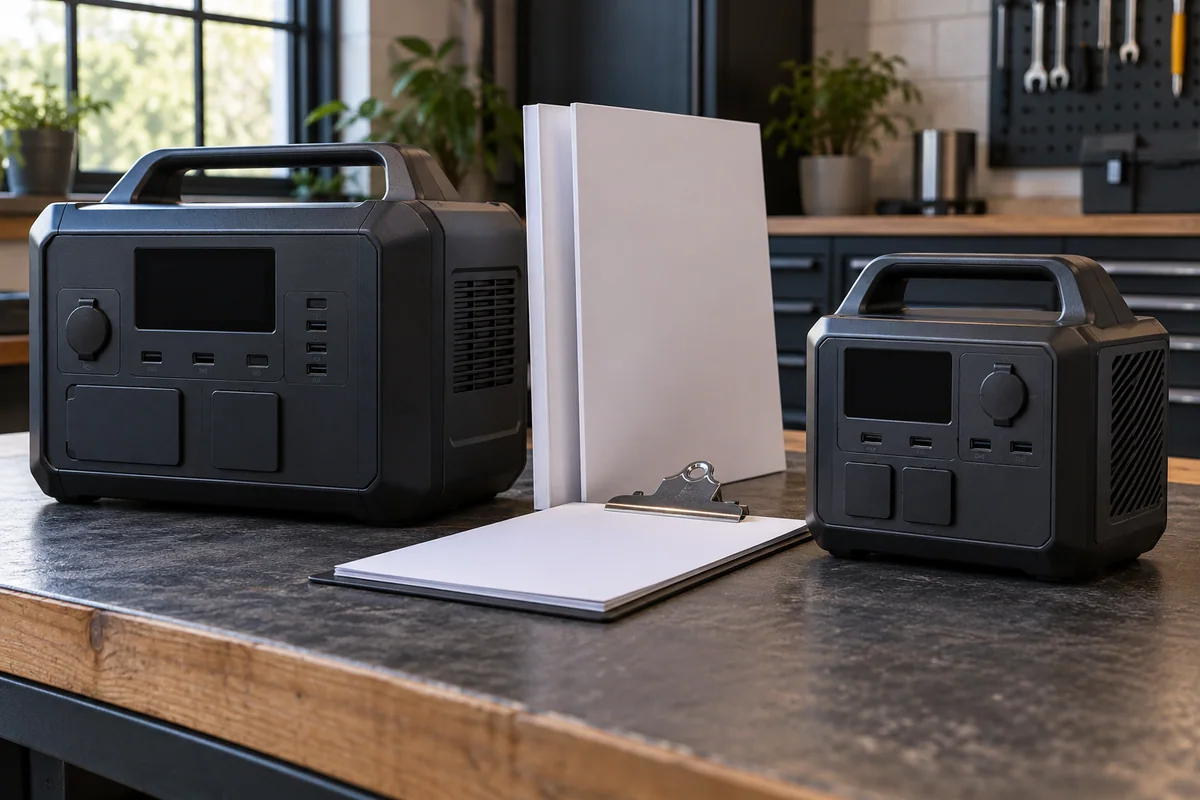
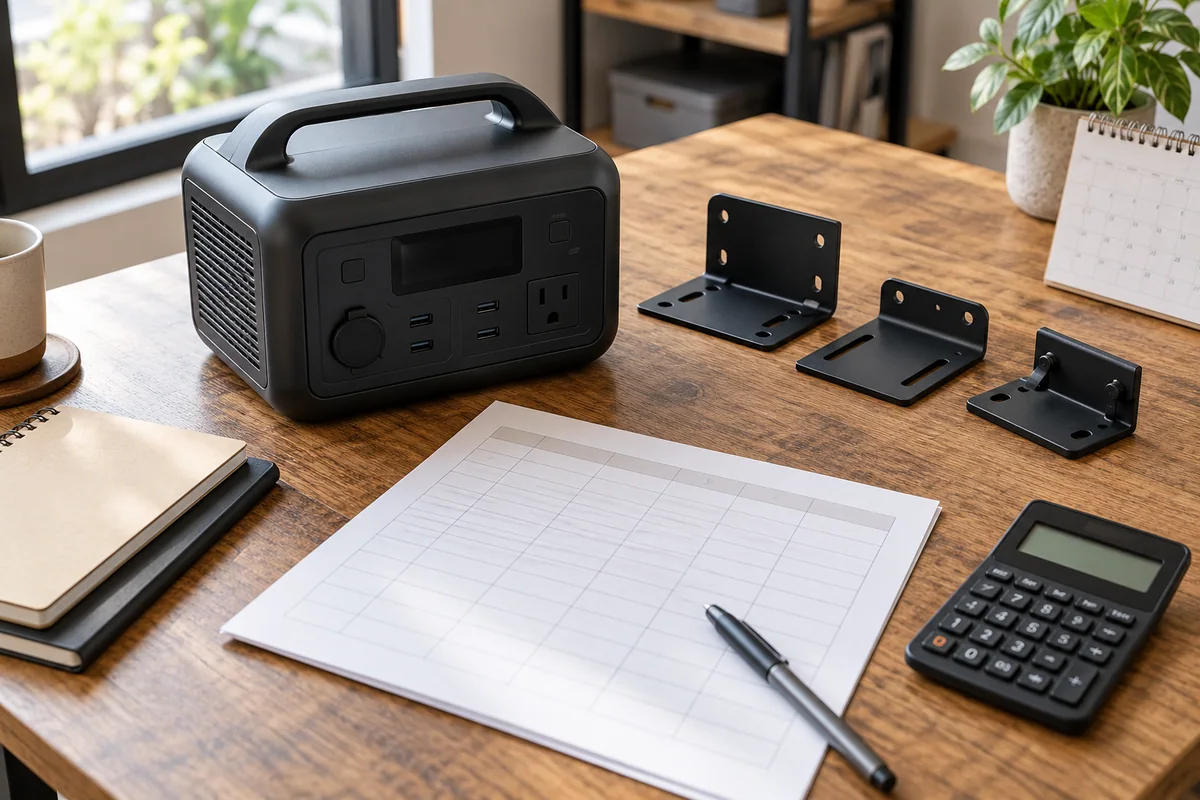
AI-generated editorial illustration Request a portable-power alternative with a clear baseline, disclosed changes, matching evidence and named approval owners before any substitution.
Read article: Request a Bounded Alternative to a Specified Portable Power Product → AI-generated editorial illustration Allocate old and replacement stock to the exact obligations covered by an existing substitution approval, then update repeat-buy instructions without widening that approval.
Read article: Plan Old and New Stock Around an Approved Substitution → AI-generated editorial illustration Build a parcel-to-order evidence map that preserves split arrivals, unresolved matches and the distinction between receipt attribution and goods acceptance.
Read article: Match Each Arriving Parcel to the Correct Purchase Order → AI-generated editorial illustration Link each approved change to affected units, dependent records, recipients and execution evidence while preserving unchanged items and open decisions.
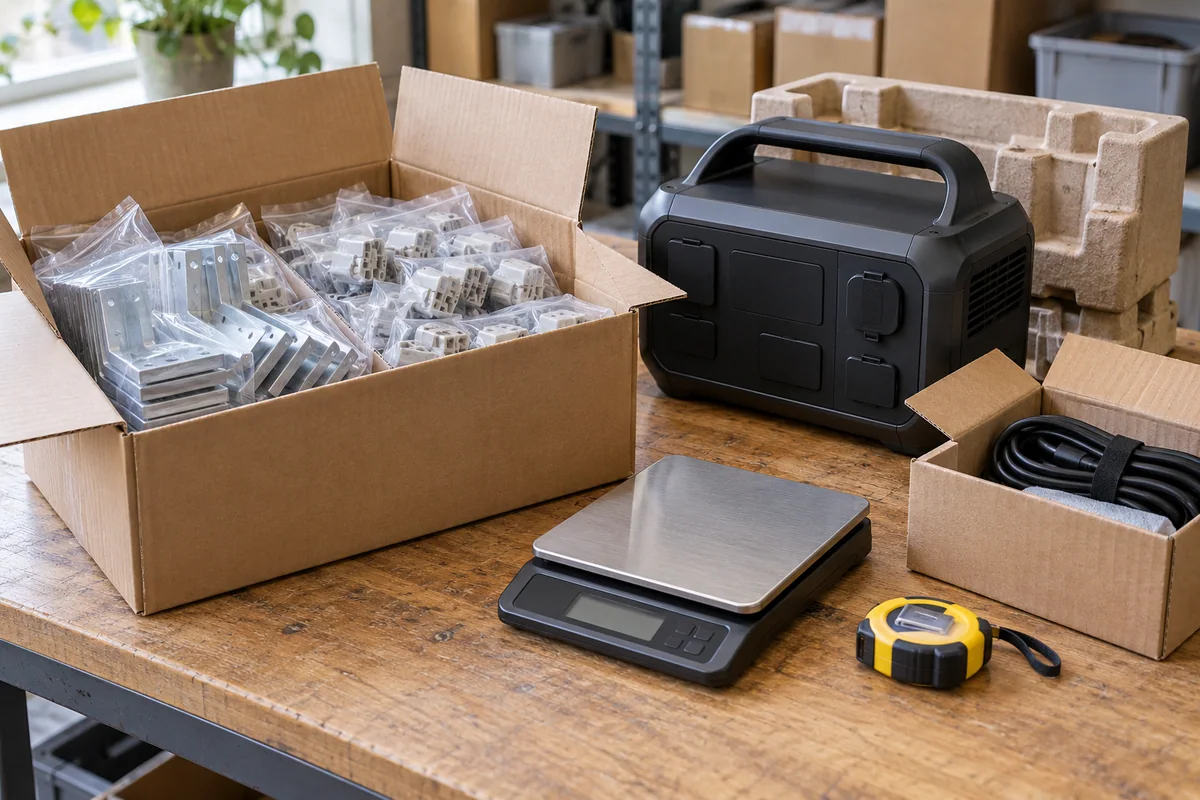
Read article: Keep Post-Handover Changes Traceable to an Authorized Decision → AI-generated editorial illustration Split battery products and accessories only when both proposed shipments are accurately described, accepted for their complete routes, and cheaper or operationally better after duplicated costs. A lower ordinary-cargo rate for accessories does not automatically outweigh a second collection, minimum charge, clearance or receiving event.
Read article: Ship battery products and accessories together or separately? → AI-generated editorial illustration Check whether price, packing, model, route, or timing changes invalidate a battery freight quote, and compare revisions without mixing service scopes.
Read article: When a Battery Freight Quote Changes: A Re-Quote Checklist → AI-generated editorial illustration Map seller SKUs to exact battery models and revisions with an identity register, documented aliases and clear holds for unresolved mismatches.
Read article: Match Battery Model Aliases Before Comparing Supplier Quotes → AI-generated editorial illustration Record observed battery model, serial and lot labels by received unit, with image links and unresolved readings kept separate from authenticity approval.
Read article: Record Battery Model, Serial and Lot Labels Without Inferring Authenticity → AI-generated editorial illustration Prepare a traceable battery freight RFQ with model evidence, packing data, route scope, and clear questions for qualified logistics review.
Read article: Build a Battery-Shipping Quote Pack Before Asking for a Price → AI-generated editorial illustration Make the contract owner distinguish a planning ceiling, binding release and remaining supply before a staged arrangement enters the reorder calculation.
Read article: Separate a Framework Quantity from a Released Purchase Commitment → AI-generated editorial illustration Prepare a drawing-linked request for packaging around passive-part projections, with permitted contacts and unresolved support assumptions visible.
Read article: Ask for a Packaging Plan Around Passive-Part Protrusions → AI-generated editorial illustration A freight quote is only comparable when it describes the same packed shipment. Before choosing a forwarder, check outer carton measurements, gross weight, carton count and any pallet or overpack. Treat product-page dimensions and unbuilt packaging estimates as provisional inputs, not dispatch measurements.
Read article: Check packed carton measurements before comparing freight quotes → AI-generated editorial illustration Compare China freight quotes by the amount needed to complete the same agreed service, not by the largest number at the top of the page. Make each provider mark every relevant charge as included, excluded, estimated or conditional. An unresolved item belongs in an uncertainty column, not a zero-cost cell.
Read article: Compare China freight quotes by included charges, not headline price → AI-generated editorial illustration Turn project-owner commissioning requirements into assigned evidence requests, separate receipt from assessment and keep each unresolved gap visible.
Read article: Ask the Project Owner What Commissioning Evidence Is Still Missing → AI-generated editorial illustration Record contradictory supplier and manufacturer instructions, identify clarification authority, and preserve the exact affected task and scope of the answer.
Read article: Resolve Conflicting Instructions Without Choosing the Convenient Version → AI-generated editorial illustration Track each inbound lot against the warehouse’s written billing trigger so waiting for consolidation does not create an uncontrolled bill.
Read article: Control the consolidation warehouse storage clock → AI-generated editorial illustration Keep custody acknowledgement and first-use authority separate, with a named owner for every unresolved prerequisite and an explicit use-status statement.
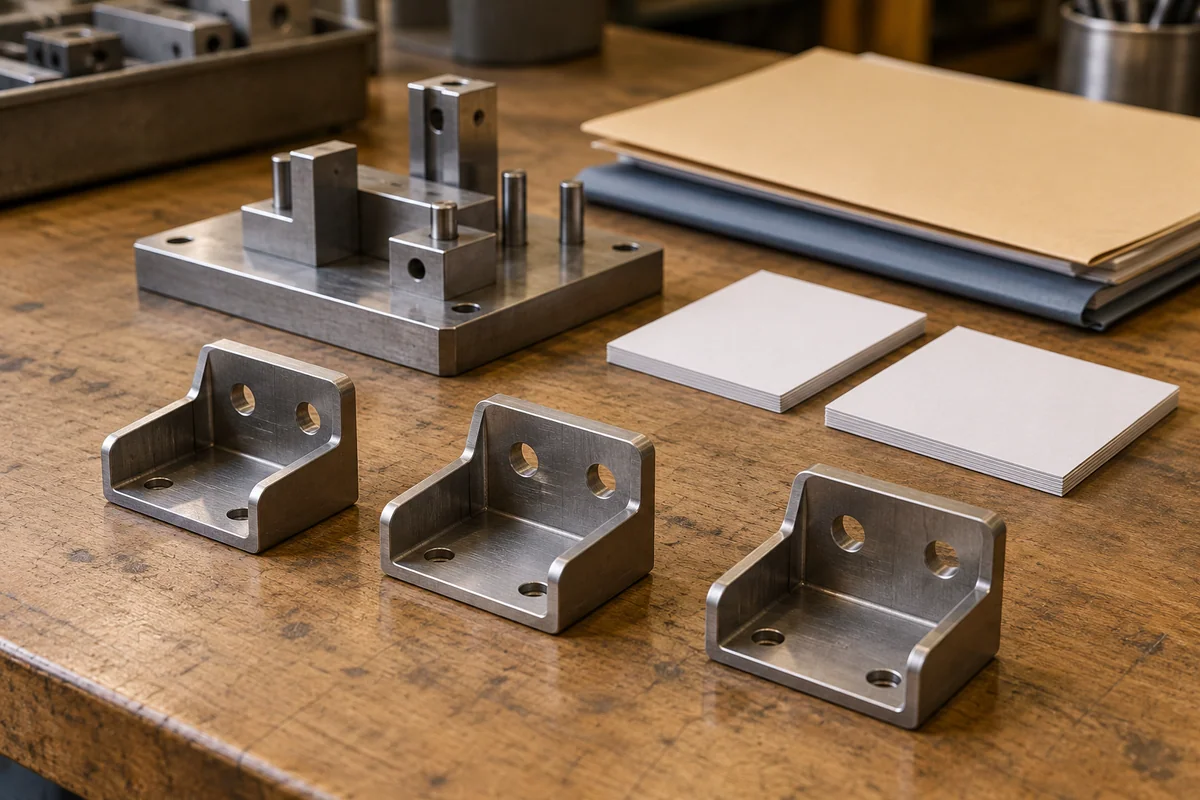
Read article: Separate Taking Custody from Authorizing First Use → AI-generated editorial illustration Control drawing authority, file revisions and supplier exceptions so every custom-bracket quote prices the same approved requirement.
Read article: Send One Controlled Drawing Revision with a Custom-Bracket RFQ → AI-generated editorial illustration Compare received labels and manuals with approved revisions, languages and page coverage without turning file matching into content approval.
Read article: Match Delivered Labels and Manuals to the Approved Files → AI-generated editorial illustration Frame a discontinuance purchase around verified notice scope, separately approved remaining requirements and transparent supply netting instead of urgency alone.
Read article: Bound a Last-Time Buy with Explicit Remaining-Demand Scenarios → AI-generated editorial illustration Choose a mechanical-component pack size using landed cost per needed usable unit, rather than the lowest advertised price per piece.
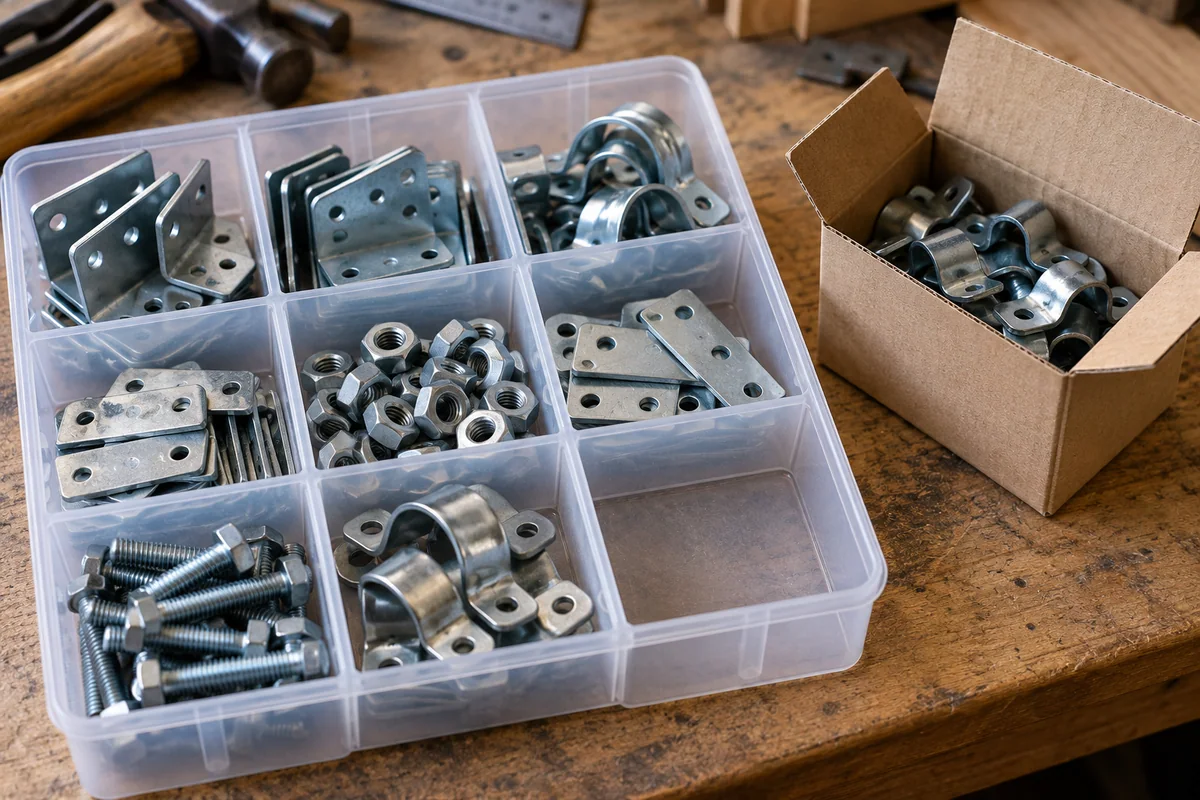
Read article: Compare bulk DIY packs with the parts you will use → AI-generated editorial illustration Use an appearance observation sheet to link visible finish differences to the approved reference, viewing conditions and authorized decision.
Read article: Record Cosmetic Finish Differences Against an Agreed Reference → AI-generated editorial illustration Compare the full cost of replacing missing kit parts, including freight, destination charges, compatibility review, and supplier reimbursement.
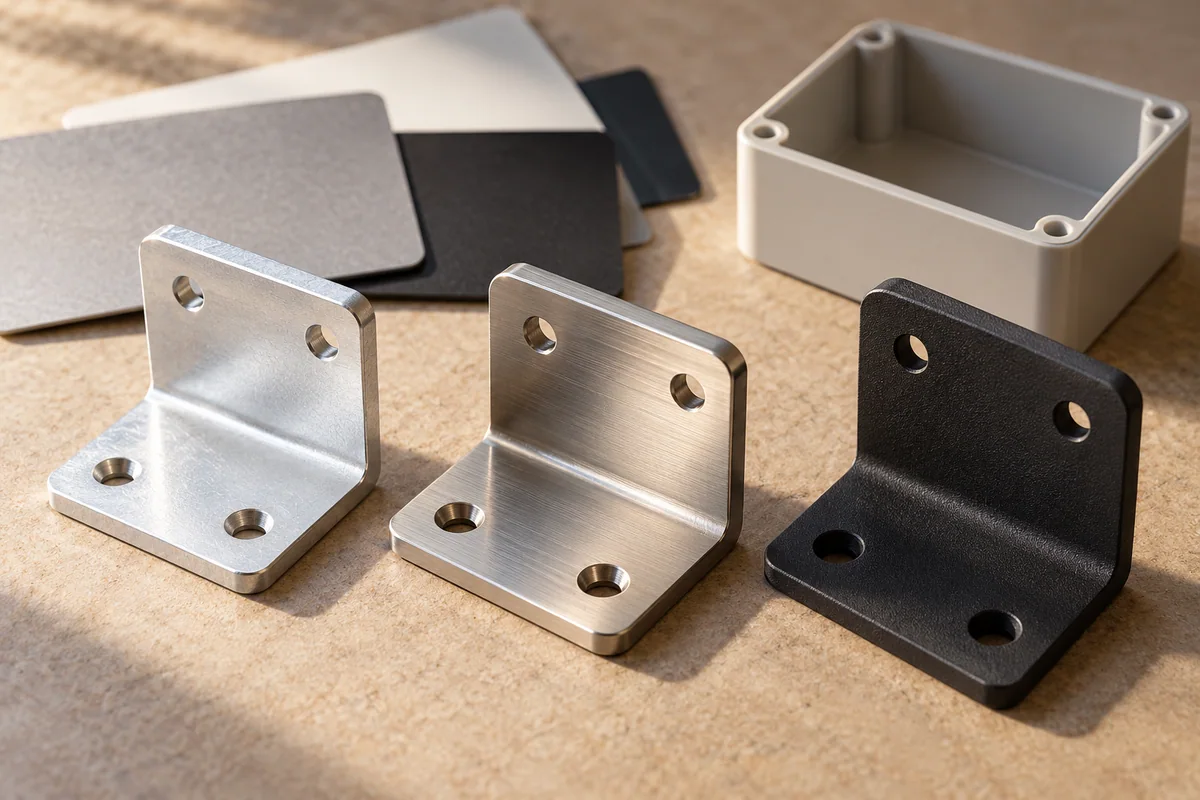
Read article: A DIY Kit with Missing Parts: Budget the Replacement Shipment → AI-generated editorial illustration Separate material designation, condition, finish process and appearance evidence before treating DIY-part supplier offers as equivalent.
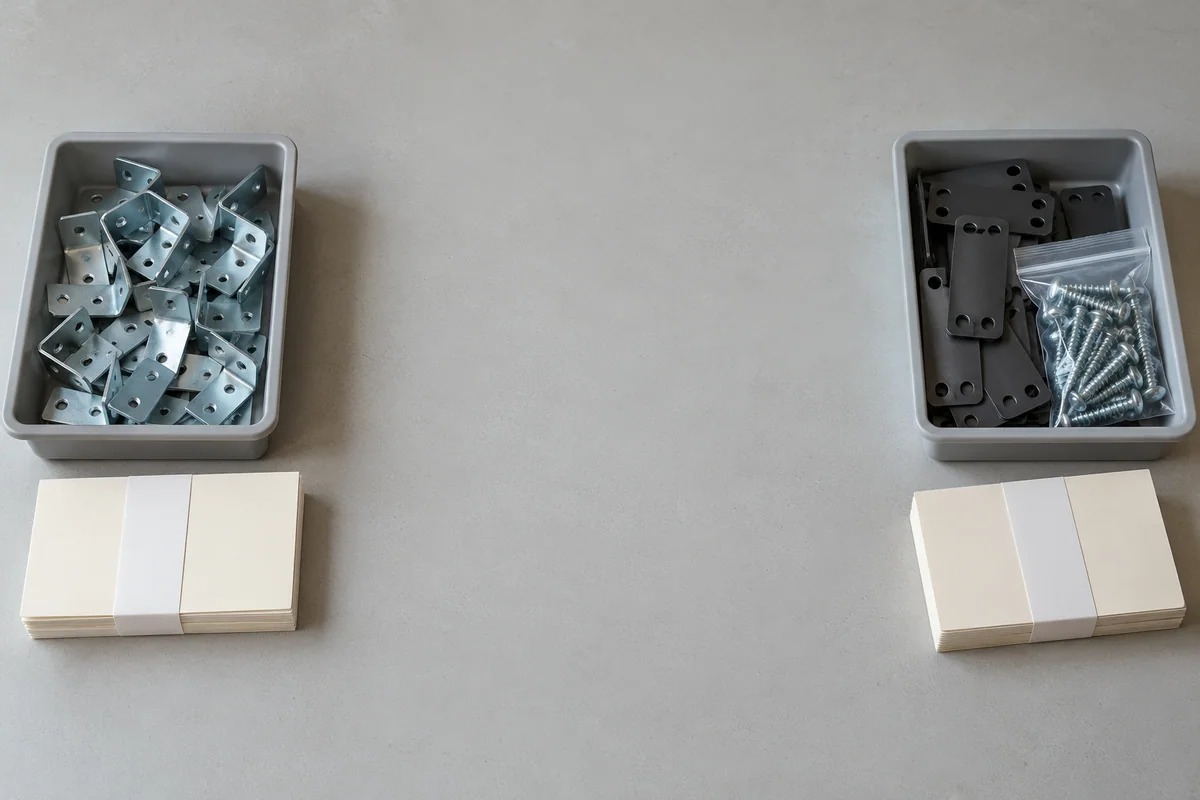
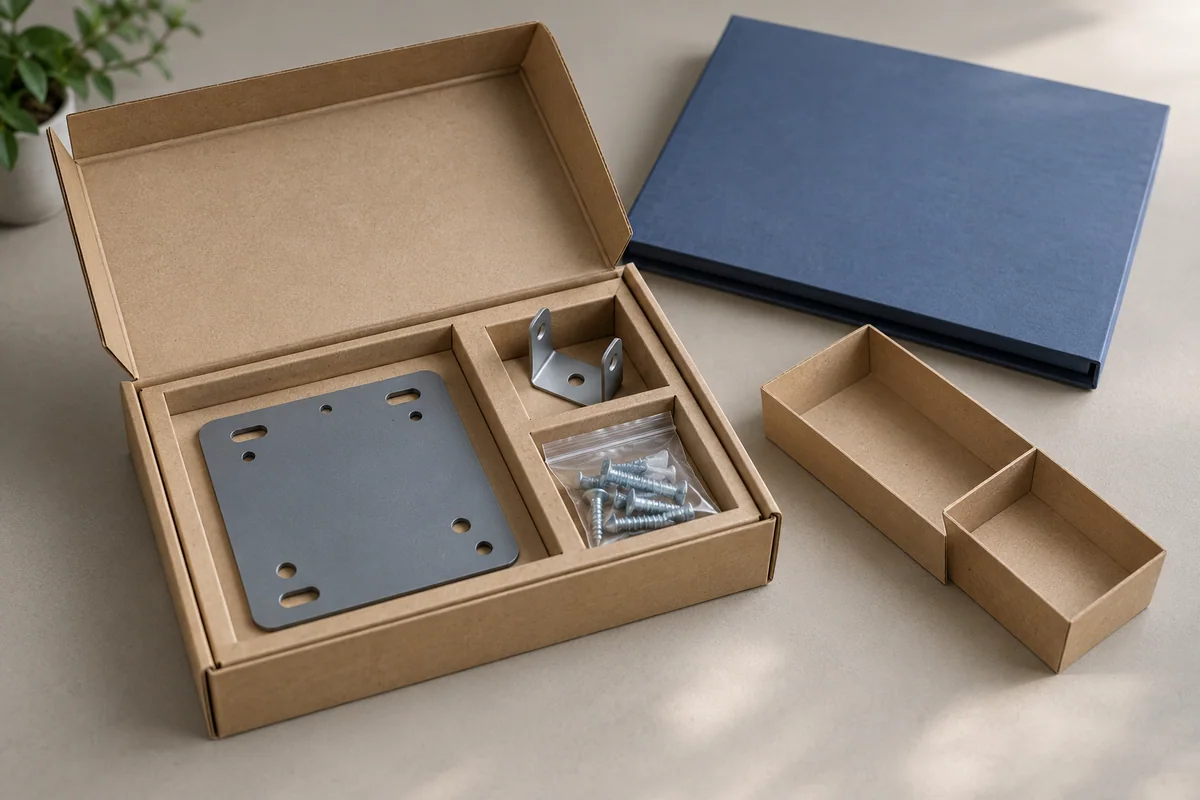
Read article: Keep Material Grade and Finish Separate in DIY Part Quotes → AI-generated editorial illustration Assign each empty enclosure body, detached lid and approved hardware pouch to a linked packing position without assuming interchangeable parts.
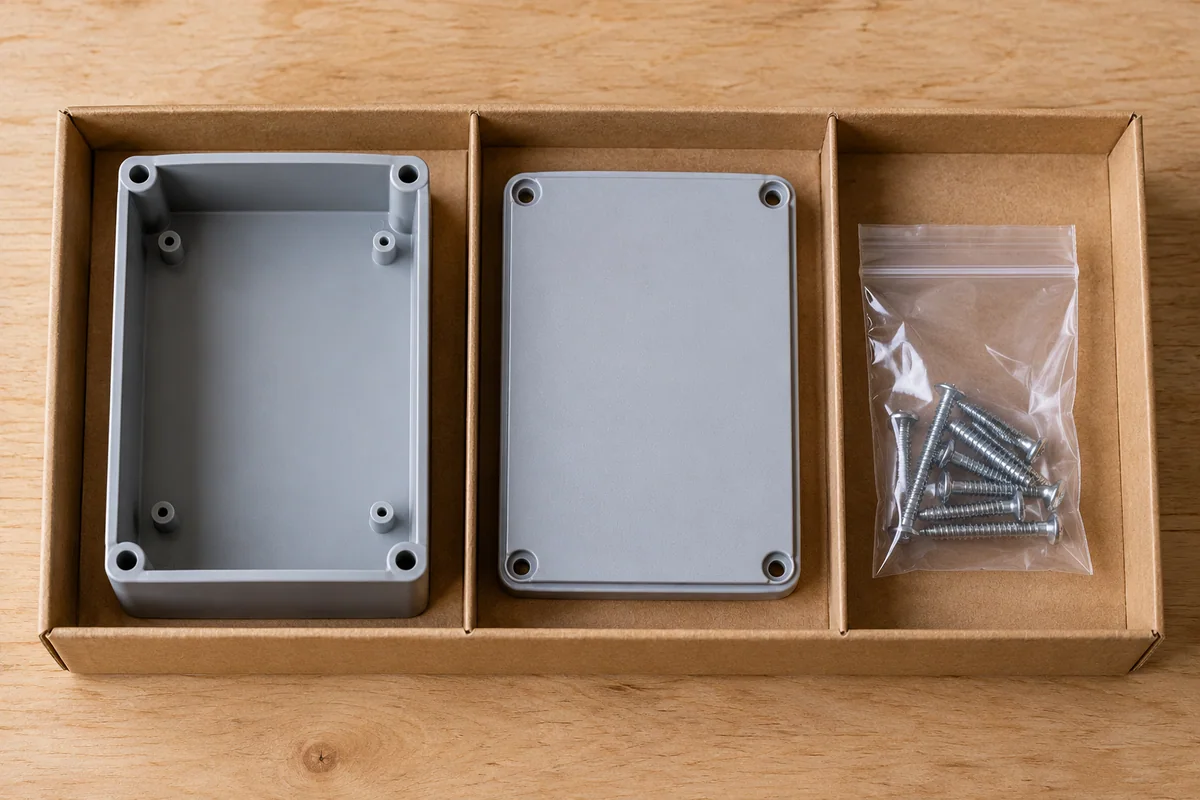
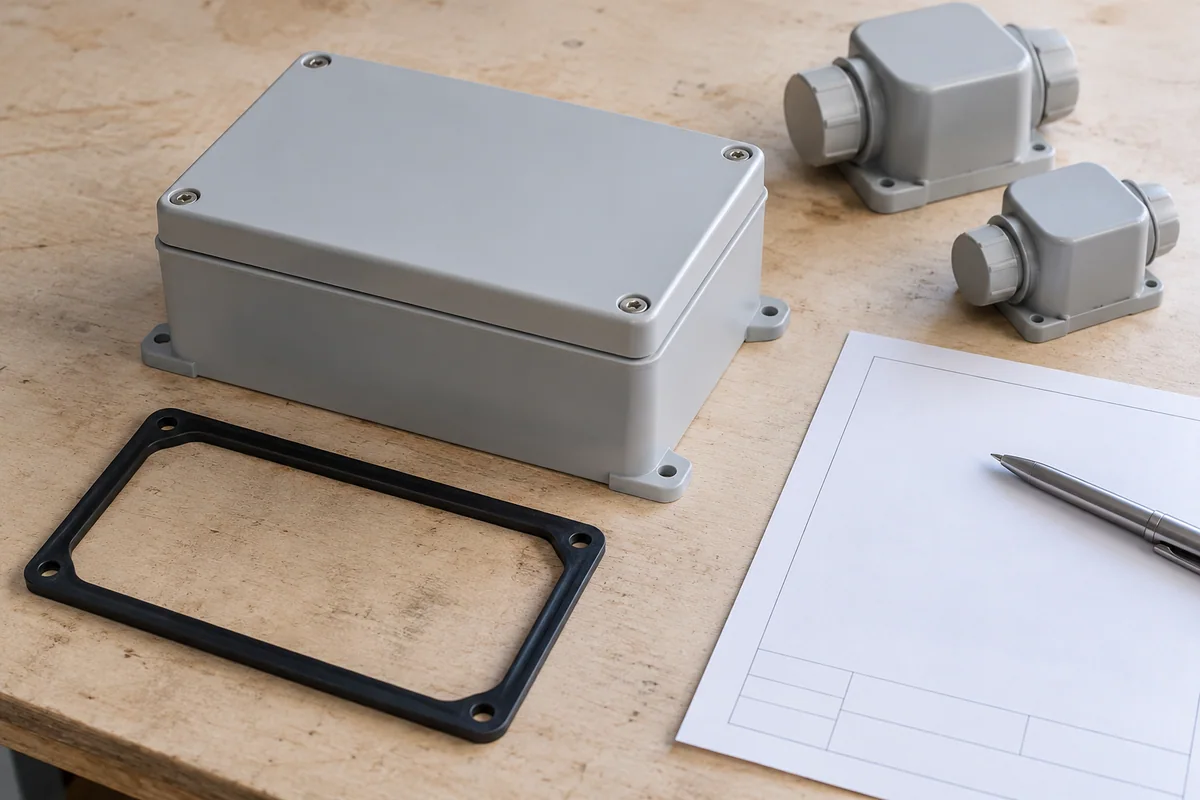
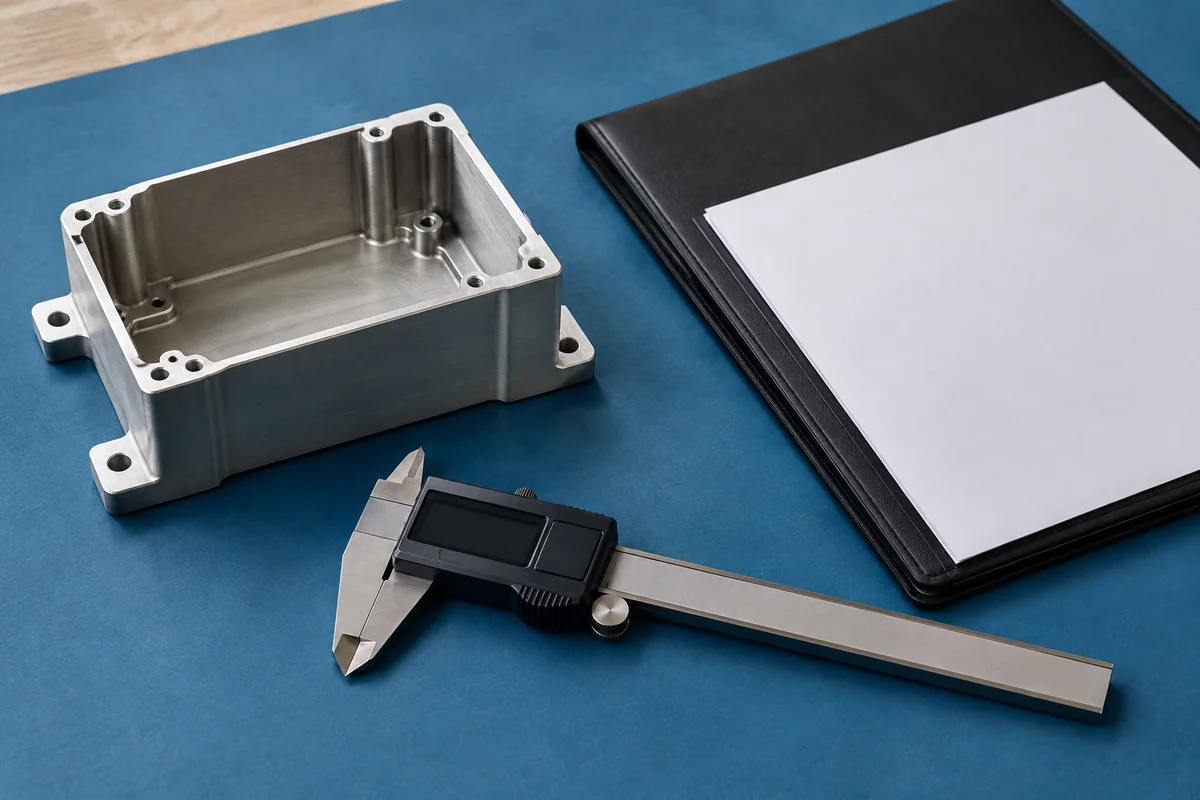
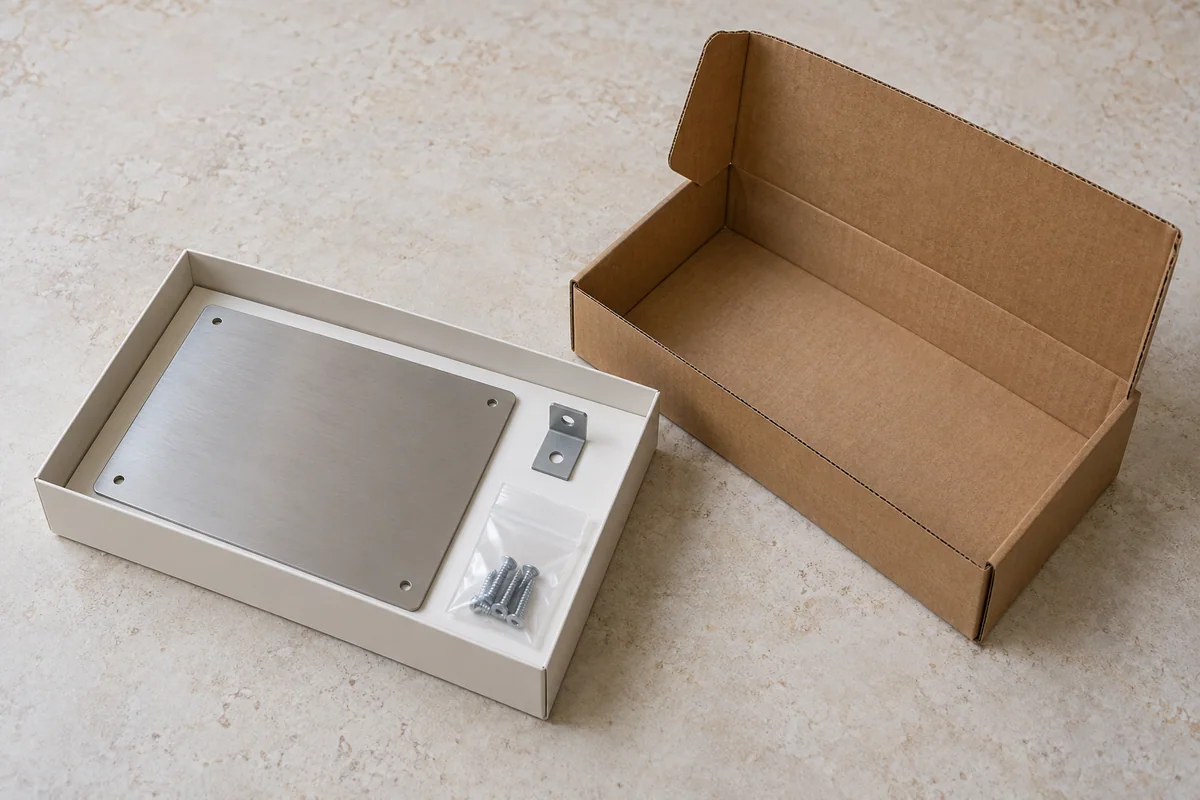
Read article: Keep an Empty Enclosure’s Lid and Hardware Associated in the Pack → AI-generated editorial illustration Request usable interior space, mounting geometry, lid scope and exact drawing evidence before comparing finished DIY enclosure quotes.
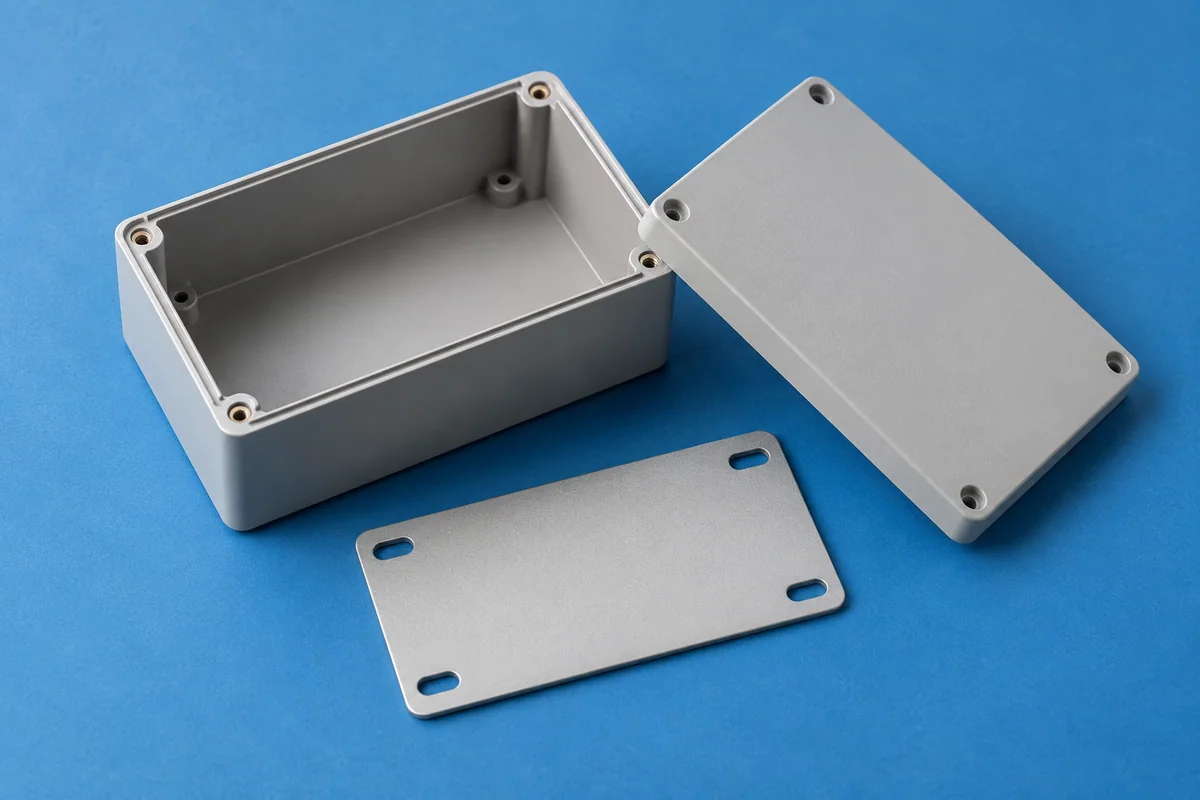
Read article: Prepare a Fit-Check RFQ for a Finished DIY Enclosure → AI-generated editorial illustration Define an energy-storage RFQ with itemized supply, documentation and service responsibilities so missing controllers or integration work stay visible.
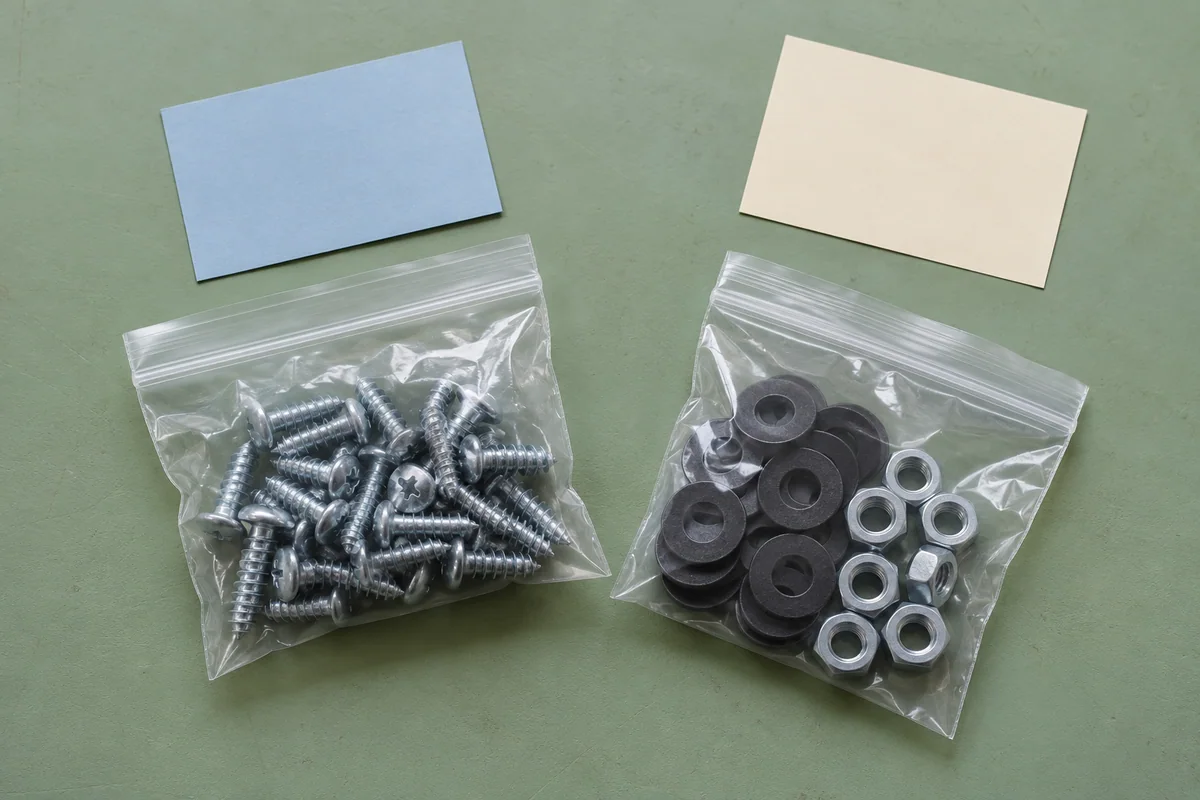
Read article: Define the Supply Boundary in an Energy-Storage RFQ → AI-generated editorial illustration Create a pouch-to-instruction map that keeps approved fastener groups identifiable without inventing assembly steps or confusing totals with allocation.
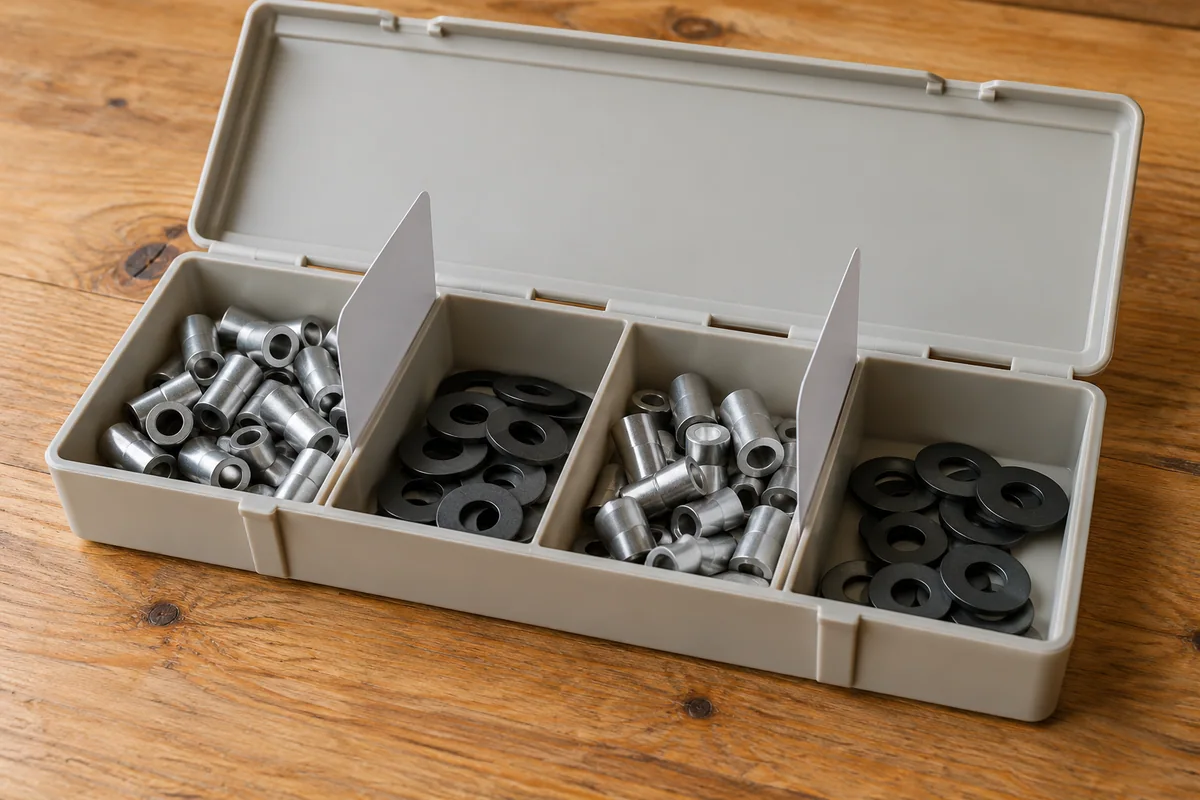
Read article: Group Passive Fasteners by the Buyer’s Approved Kit Stages → AI-generated editorial illustration Connect an official notice to its qualified applicability decision, current custodians, exact distribution issue and unanswered acknowledgements.
Read article: Route a Product Safety Notice to Every Responsible Custodian → AI-generated editorial illustration Separate firm commitments, historical activity and planning assumptions, then document which quantities overlap before calculating replenishment needs.
Read article: Keep Firm Orders Separate from Replenishment Scenarios → AI-generated editorial illustration Match each freight invoice line to the approved quote, actual shipment measurements and any agreed change before resolving the balance.
Read article: Reconcile a freight invoice with its approved quote → AI-generated editorial illustration Capture a disputed source and target passage, identify the qualified meaning owners and distribute a controlled clarification before relying on it.
Read article: Escalate an Ambiguous Translation Before the Affected Task → AI-generated editorial illustration Test another location’s available stock against protected commitments, permitted use and the destination’s need before requesting a new purchase.
Read article: Check Whether Existing Stock Can Cover Another Location → AI-generated editorial illustration Assign approved instruction files to each kit configuration and reserved insert position so recipients can find them without disturbing required information.
Read article: Place Approved Instructions Where the Kit Recipient Can Find Them → AI-generated editorial illustration Use a kit-version changeover record to identify old pouches, inserts and unfinished packs before starting the next approved configuration.
Read article: Control Leftover Components When Changing Kit Versions → AI-generated editorial illustration Map maintenance sources, decision owners, scheduling and authorized service scope without inventing intervals or treating a booking as completed work.
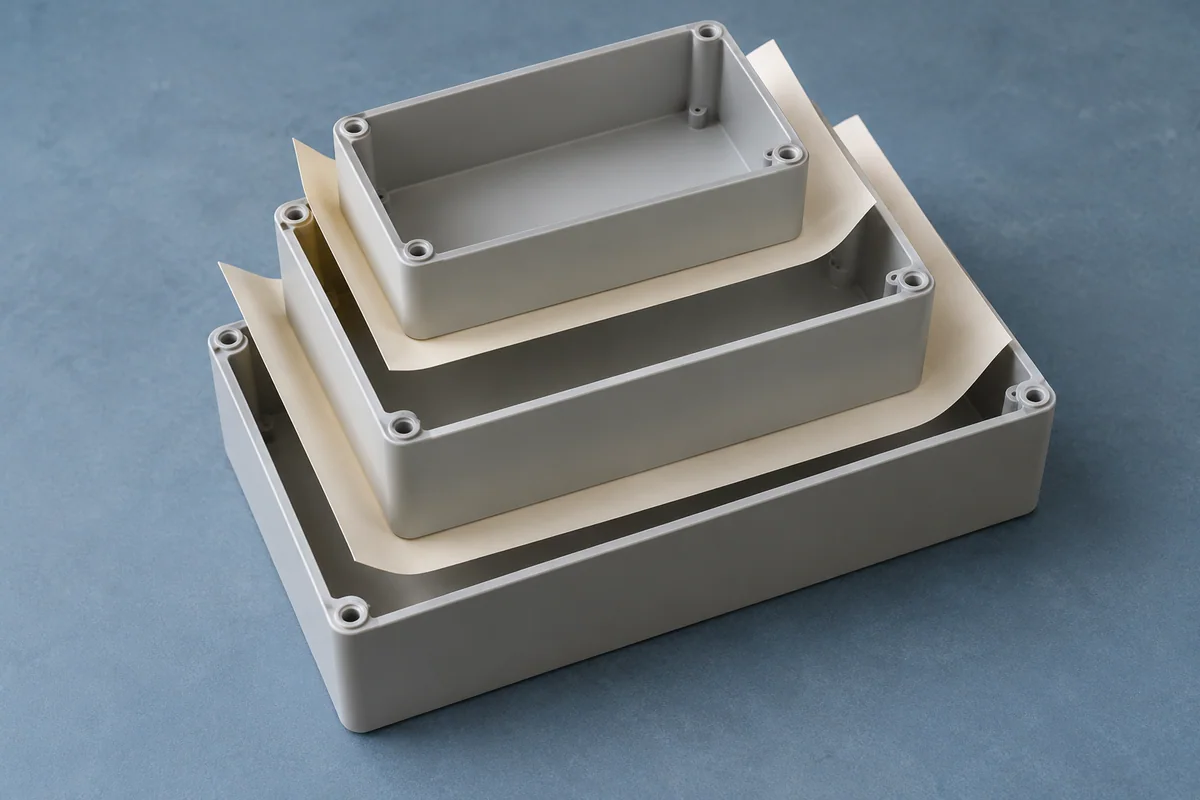
Read article: Assign Maintenance Ownership Without Inventing a Service Schedule → AI-generated editorial illustration Map nesting orientation, protected contact zones, separator references and removal access before approving a plan for empty DIY enclosures.
Read article: Plan Separators for Nested Empty Enclosures → AI-generated editorial illustration Reconcile one purchase-order line to its remaining supported quantity, then separate the portion available within the planning window from later supply.
Read article: Count an Open Purchase Order Only Once in Replenishment Plans → AI-generated editorial illustration Map approved tasks to authoritative instructions, confirm each role’s permitted retrieval route, and assign access failures without treating access as competence.
Read article: Make Approved Instructions Reach the Person Who Needs Them → AI-generated editorial illustration Separate required contents, included optional extras and approved spares with a role-and-allocation sheet for each passive kit configuration.
Read article: Keep Optional Extras and Spares Separate from Required Kit Parts → AI-generated editorial illustration Connect an enclosure IP claim to the exact model, supplied accessories, modifications and evidence before relying on it in a quotation.
Read article: Ask What Configuration an Enclosure Protection Claim Covers → AI-generated editorial illustration Link each proposed pouch, foam, tape or interleaf to its exact product surface, stated contact conditions and evidence owner before material approval.
Read article: Request Evidence for Materials That Touch a DIY Product → AI-generated editorial illustration Record which packing features a mockup represents, which differ from the final plan and which performance questions remain untested.
Read article: Approve a Packing Mockup Without Claiming Transit Performance → AI-generated editorial illustration Issue one coherent packing packet that joins kit contents, layout, materials, approved inserts, exceptions and the packer’s acknowledgement.
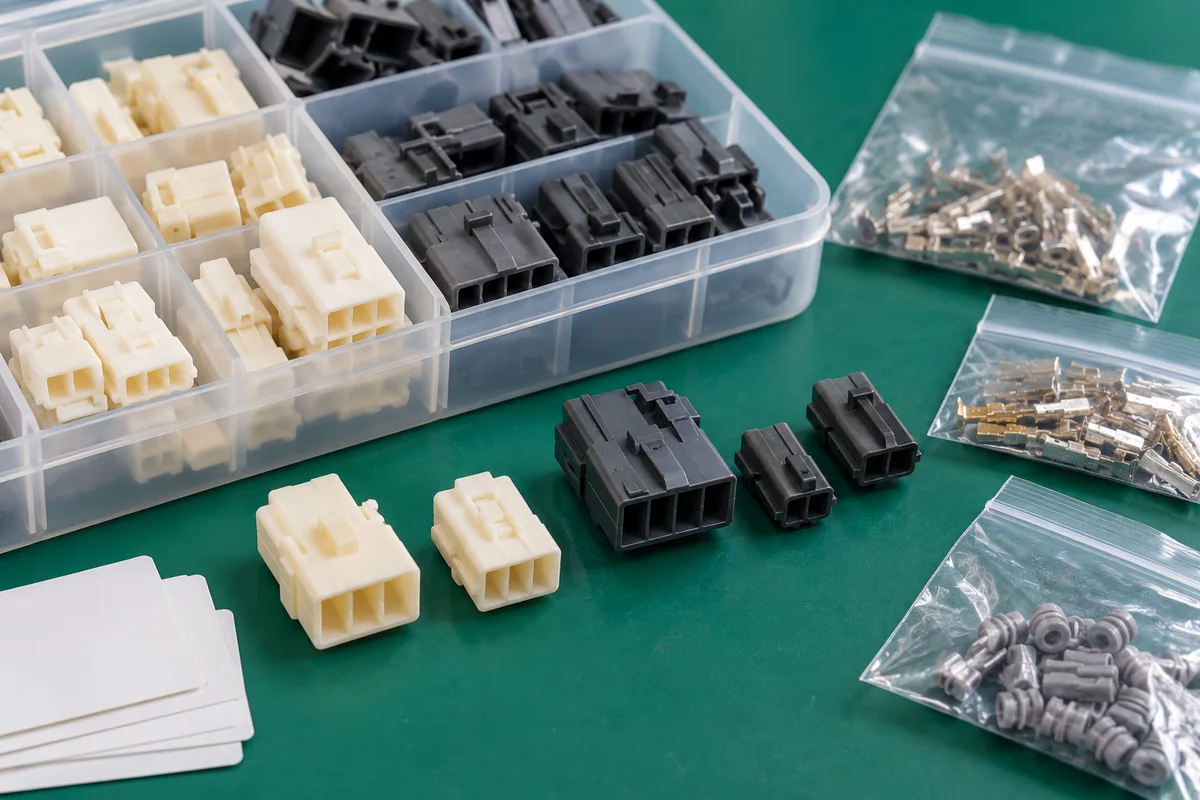
Read article: Hand Over One Complete Packing Specification to the Packer → AI-generated editorial illustration Make a connector RFQ identify exact mating parts, housings, contacts, accessories and evidence, with compatibility owned by a qualified reviewer.
Read article: Quote the Exact Mating Connector, Not a Similar-Looking Plug → AI-generated editorial illustration Define one complete passive DIY kit with a package-level contents tree, explicit exclusions and quantities tied to the correct parent container.
Read article: Define What Belongs in One Sellable DIY Kit → AI-generated editorial illustration Connect each reported dimension to the received unit, approved feature, method and limitations before the authorized reviewer decides fit.
Read article: Read Passive-Part Measurement Evidence Before Accepting Fit → AI-generated editorial illustration Calculate a periodic-review target using the next review interval and assumed replenishment time, then compare it with a consistently defined position.
Read article: Size a Replenishment Review Around the Next Review Date → AI-generated editorial illustration Compare portable-power quotes using separate energy, output, input and runtime rows, with exact models, operating conditions and evidence.
Read article: Ask for Comparable Power and Energy Ratings in a Portable-Power RFQ → AI-generated editorial illustration Give presentation and transport layers separate owners, evidence and approvals so an attractive kit tray never inherits an unsupported protection claim.
Read article: Separate Presentation Packaging from Transport Protection → AI-generated editorial illustration Normalize product quotes with separate scope, evidence and deviation fields. Keep unanswered requirements visible before ranking supplier prices.
Read article: Compare Product Quotes with an Explicit Deviations Column → AI-generated editorial illustration Identify existing protective layers, name the removal authority and record the required handover state before changing a passive product for presentation.
Read article: Agree Which Protective Layers Stay On Until Handover → AI-generated editorial illustration Map a material document through supplier processing and dispatch records to the received part lot, and keep missing connections visible before approval.
Read article: Connect a Material Document to the Parts Actually Received → AI-generated editorial illustration Reconcile packs and pieces using observed counts, agreed pack contents and an explicit unchecked remainder before calling a receipt short or complete.
Read article: Reconcile Received Packs, Pieces and Ordered Quantities → AI-generated editorial illustration Map the lot, selected units, checked attributes and exclusions before relying on an incoming inspection report for an acceptance decision.
Read article: Read Inspection Coverage Before Calling a Lot Accepted → AI-generated editorial illustration Use a lot-status map to identify approved subsets, reconcile quantities, retain open holds and carry the exact decision into the next handoff.
Read article: Release Only the Received Lots Covered by a Decision → AI-generated editorial illustration Build a disposition authority grid that connects received-unit observations to agreed requirements, named approvers and narrowly defined decisions.
Read article: Keep Observation, Requirement and Disposition Separate in a Receiving Report → AI-generated editorial illustration Request receiving photos by decision and unit, linking context to detail while preserving originals, missing views and limits on what images can prove.
Read article: Ask for Receiving Photos That Answer a Specific Discrepancy → AI-generated editorial illustration Reconcile the accepted receiving-service scope with the report, separating delivered evidence, unreported work, confirmed omissions and product findings.
Read article: Check the Receiving Report Against the Work You Ordered → AI-generated editorial illustration Record who may approve supplier remote support, permitted systems and information, scope changes and closure without providing access-setup instructions.
Read article: Set the Boundary Before Granting Supplier Remote Access → AI-generated editorial illustration Build a reorder-eligible position from recorded stock, existing reservations and supported inbound, with one cutoff and no duplicate deductions.
Read article: Calculate the Inventory Position a Reorder Can Actually Use → AI-generated editorial illustration Carry forward a prior purchase deliberately: name the accepted baseline, record current supplier declarations and route unresolved changes before committing again.
Read article: Approve What Must Stay the Same Before Repeating an Order → AI-generated editorial illustration Compare return, replacement and authorized local remedy using future cash costs, useful output, timing and written approvals.
Read article: Return, replace or remedy an imported order locally? → AI-generated editorial illustration Define what a kit organizer should retain and make accessible after unpacking, with explicit limits on closure, material, cleaning and durability claims.
Read article: Define a Reusable Organizer as a Kit Deliverable → AI-generated editorial illustration Use a sample-to-production crosswalk to record limited approvals, temporary exceptions and the requirements a later production quote must answer.
Read article: Make the Sample RFQ State What the Production Quote Must Match → AI-generated editorial illustration Do not multiply a sample freight bill by the bulk order quantity. Use the sample to learn what was physically shipped, then build a separate estimate for the production packing plan and service. Samples and production goods may have different carton utilization, protective materials, chargeable quantities and shipment-level costs.
Read article: Why a sample freight bill does not predict your bulk shipment → AI-generated editorial illustration Clarify who may commission supplier service, which terms apply and what evidence must return before treating a repair proposal as authorized work.
Read article: Confirm Service Authority Before Agreeing to a Repair → AI-generated editorial illustration Convert approved kit quantities into one shared-component requirement, retain demand lineage and deduct eligible component stock only once.
Read article: Combine Approved Kit Demand Without Counting Shared Parts Twice → AI-generated editorial illustration Challenge a repeat purchase when unused stock and changed obligations undermine its original demand basis, then give any pause clear restart conditions.
Read article: Pause a Repeat Order When the Demand Basis No Longer Holds → AI-generated editorial illustration Build a rights matrix that separates the physical holder, ownership claims and withdrawal permission before relying on held stock in a reorder plan.
Read article: Separate Stock Location from the Right to Use It → AI-generated editorial illustration Verify a demand change before releasing reserved stock, then record any new allocation separately while keeping the eligible total reconciled.
Read article: Reassign Reserved Stock Only Against an Authorized Demand Change → AI-generated editorial illustration Transfer ongoing asset duties to accepted owners, preserve the next decisions and track separate record-access approvals when a custodian changes.
Read article: Transfer Open Responsibilities When the Asset Custodian Changes → AI-generated editorial illustration Hand supplier session records to the training owner with attendance, topic coverage and assessment evidence separated, leaving competence decisions explicit.
Read article: Separate a Supplier Demonstration from Operator Competence → AI-generated editorial illustration Follow a receiving issue from the original finding through the supplier proposal, authorized action, recheck evidence and a clearly scoped closure decision.
Read article: Close a Supplier Discrepancy Only After the Agreed Evidence Arrives → AI-generated editorial illustration Turn an “in stock” message into a dated evidence question: identify exact quantity, allocation, location, authority and the event the supplier can support.
Read article: Ask What a Supplier Stock Statement Actually Commits To → AI-generated editorial illustration Preserve authorized records and verified contact scope before a supplier channel changes, with named owners for missing files and unmigrated cases.
Read article: Keep Support References Usable When a Supplier Contact Changes → AI-generated editorial illustration Measure an imported order against units you can actually use, then separate confirmed recoveries from unresolved claims.
Read article: Calculate usable-unit cost after import damage → AI-generated editorial illustration Use a variant quantity grid to confirm MOQ, selling units and price-tier eligibility, then re-quote changes without silently adding unwanted stock.
Read article: Ask Whether MOQ and Price Tiers Apply per Variant or per Order → AI-generated editorial illustration Keep battery arrival observations, stopped work and qualified instructions in one record without treating exterior photos as safety or release approval.
Read article: Separate a Battery Arrival Observation from a Safety Clearance → AI-generated editorial illustration Compare sourcing quotes in one budget currency on one stated comparison date, while preserving each original amount and settlement currency. Then check whether every component is still valid for the planned purchase. A converted total is a planning view; it is not a supplier's promise to accept that converted amount.
Read article: Compare sourcing quotes with different currencies and validity dates → AI-generated editorial illustration Compare custom-part RFQs by separating tooling, setup and other one-time work, with clear deliverables, payment milestones and repeat-order terms.
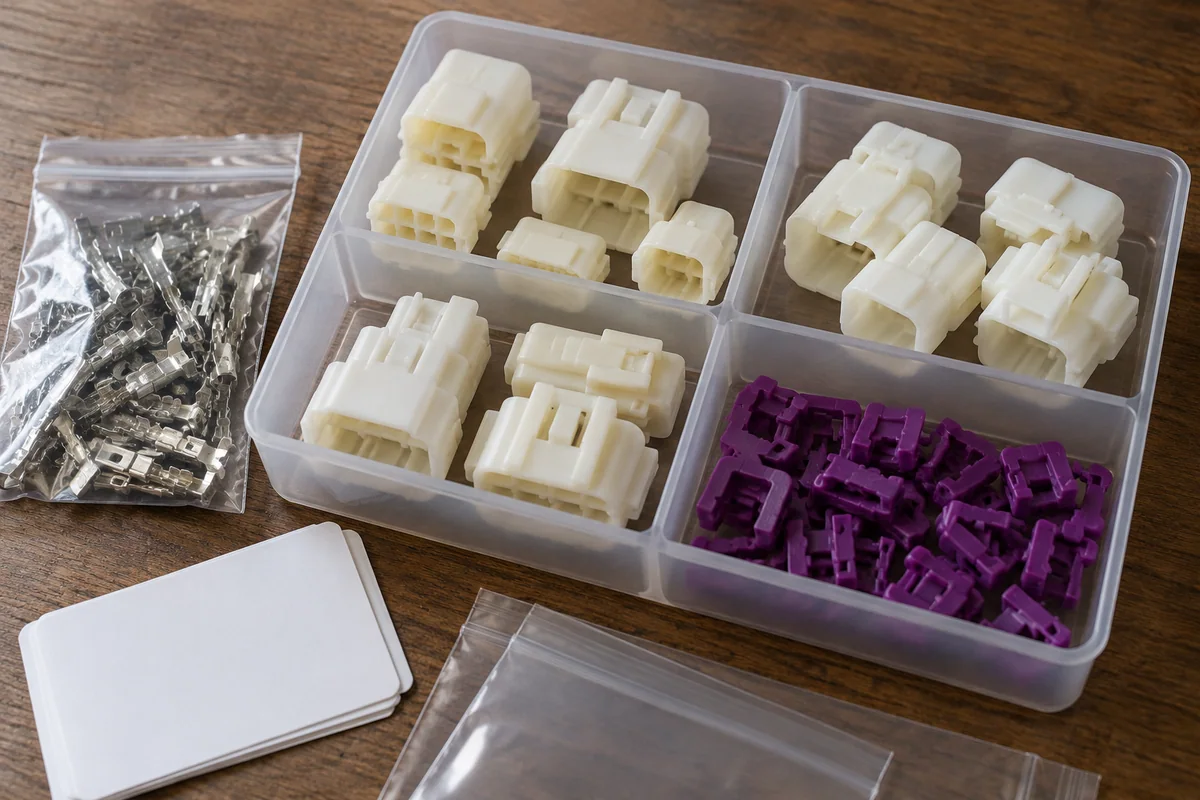
Read article: Separate Tooling and One-Time Charges in a Custom-Part RFQ → AI-generated editorial illustration Reconcile received housings, contacts and accessories with the accepted contents list while preserving sealed-package and count limitations.
Read article: Check Connector Housings and Accessories Against Ordered Contents → AI-generated editorial illustration Map protected faces and neighboring contacts before approving a separator, with material evidence and protection decisions kept explicit.
Read article: Specify Which Finished Surfaces Must Not Touch in a Pack → AI-generated editorial illustration Prepare a supplier support brief using existing facts, a clear question and verified routing, with diagnosis and new work kept with authorized owners.
Read article: Prepare a Support Request Without Attempting a Diagnosis → AI-generated editorial illustration Test a proposed continuous-review trigger against stated consumption, replenishment-interval and buffer assumptions without inventing a forecast.
Read article: Test a Reorder Trigger Against Explicit Planning Assumptions → AI-generated editorial illustration Refer a proposed post-purchase use or location change with its original approval, precise differences, unresolved facts and the decision owner’s response.
Read article: Route a Changed Intended Use to the Right Technical Owner → AI-generated editorial illustration Define site access, unloading, handover, and onward placement before buying an energy-storage unit so your delivery budget covers the required work.
Read article: Energy-Storage Delivery Costs: Check Access Before Ordering → AI-generated editorial illustration Specify label and manual versions, languages, review owners and proof stages so the quote separates printing from translation and specialist approval.
Read article: Quote Labels and Manuals as Controlled Deliverables → AI-generated editorial illustration Split mixed-order freight by clear cost drivers, separate direct charges, and reconcile SKU costs without disguising estimates as final landed costs.
Read article: Allocate Shared Freight Across a Mixed 1688 Order → AI-generated editorial illustration Keep mixed energy and DIY requests traceable with stable buyer IDs, explicit units, a controlled worksheet and matched supplier replies.
Read article: Build a Mixed Energy and DIY RFQ with One Stable Reference per Variant →