
Build a Battery-Shipping Quote Pack Before Asking for a Price
Prepare a traceable battery freight RFQ with model evidence, packing data, route scope, and clear questions for qualified logistics review.
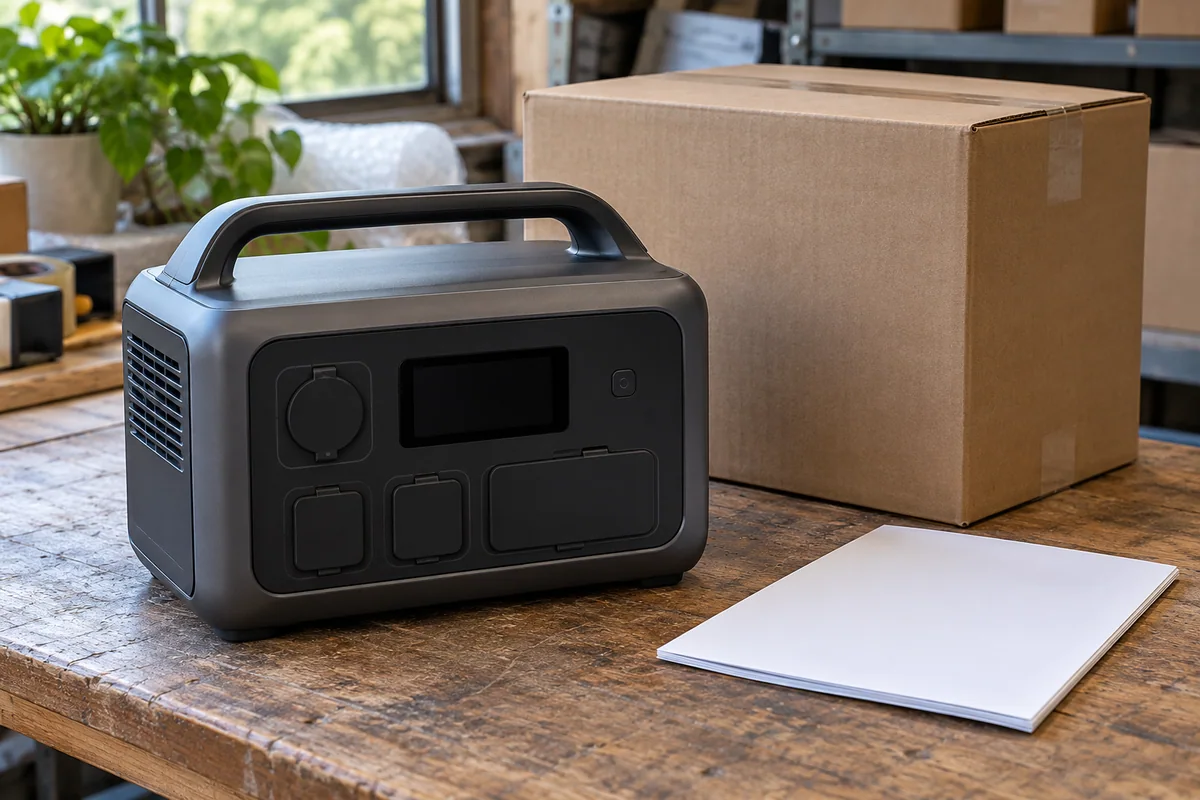
“Battery products, ten cartons” is not a quotation brief. It leaves the forwarder to guess which battery is involved, what each package contains, and whether the proposed route is suitable. A price returned against those guesses may be useful only as an early budget indication.
Before requesting a battery freight price, create a compact quote pack that connects the ordered product, its technical evidence, the actual packing plan, and the requested transport service. Its purpose is to give a qualified dangerous-goods provider enough information to identify unanswered questions. A complete-looking folder is not shipping approval.
Build a one-page shipment identity sheet
Use one revision-controlled cover sheet rather than sending scattered chat screenshots. Include the supplier’s legal business name and contact, the buyer’s order reference, the product name, exact model, quantity, and proposed collection and delivery locations. Add the intended ready date and state whether it is confirmed or estimated.
For battery information, request the manufacturer’s stated chemistry, cell or battery model, applicable rating information, and the relationship between the battery and the product. Describe the actual configuration: shipped separately, packed with equipment, or installed in equipment. Do not choose a dangerous-goods classification merely because the wording sounds closest to a marketplace listing.
The IATA 2026 battery guidance distinguishes battery configurations and lists model and rating information among test-summary identifiers. It expressly says the guidance is not a substitute for regulatory compliance. Ask the provider to verify the applicable classification and requirements for the actual shipment.
Record condition honestly. New stock, a returned item, an untested sample, and a product with suspected damage should not be described as interchangeable cargo. If condition is uncertain, put that uncertainty on the cover sheet and ask the specialist how to proceed. Do not resolve a difficult quote by omitting the fact that made it difficult.
Keep product evidence separate from shipment paperwork
Create a product-evidence section containing the supplier’s technical specification, clear model-label photographs, and the applicable test summary where required. The key purchasing check is traceability: can the supplier explain how the exact ordered item connects to the document?
A document with a different model number needs a documented explanation from the responsible manufacturer or provider and specialist review. A shared family name, similar capacity, or matching enclosure photograph is not enough for a buyer to declare equivalence. Record the discrepancy rather than silently replacing the order’s model identifier with the one in the PDF.
Create a separate shipment section for the commercial description, transaction information, packing list or packing proposal, shipper and consignee details, and the exporter’s proposed document responsibilities. Ask which final documents must be prepared by which qualified party. Do not label every PDF as a “shipping certificate”; that phrase conceals differences between technical evidence, transaction records, and documents that describe the particular consignment.
A useful folder index lists document name, issuer, model covered, revision or date, and unresolved question. Use filenames that people can distinguish. Three attachments called “certificate-final.pdf” are difficult to review and easy to confuse when a supplier substitutes a model.
Describe the package the carrier will receive
Ask for carton or crate count, outside packed dimensions, gross weight per package, and the contents of each package. If pallets are involved, request pallet dimensions and total packed weights as well. Identify whether figures are measured, calculated, or provisional. Include photographs of the proposed closed packing arrangement when available, without treating photographs as proof that packaging requirements are satisfied.
Explain whether accessories or other goods are planned in the same shipment. Let the specialist determine compatibility and routing implications. Removing an accessory from the invoice while leaving it in the carton is not a legitimate way to simplify a shipping description.
If final packing does not yet exist, request two outputs: a budget estimate based on the stated assumptions and a list of information required to turn it into a shipment-specific quotation. This is more useful than pressuring the provider to give a supposedly final price against unfinished measurements.
Make the route and service boundaries visible
Give the exact collection point and destination, including postcodes where applicable, plus the requested mode or alternatives you are willing to consider. State whether the enquiry covers collection, China export handling, main carriage, destination clearance, and final delivery. Identify who will arrange import clearance and who can answer product-compliance questions in the destination market.
Ask the logistics provider to distinguish four conclusions in its reply:
- Information received and assumptions used for the estimate
- Missing documents or technical questions
- Required specialist or exporter checks before booking
- Carrier and route acceptance still to be confirmed
Transport suitability does not establish that the product can legally be sold or installed at its destination. Keep destination product review separate, particularly for an energy-storage system. This avoids a purchasing team treating a freight quotation as the last approval needed to order.
Send an RFQ people can answer
The request can be short: “Please quote against shipment pack revision B. Identify the exact model, package count, measured or assumed dimensions, route and service scope used. Separate included, excluded and conditional charges. List missing evidence, the party responsible for each item, quote validity, and any acceptance conditions. Please confirm what must be rechecked if the model, quantity, packaging, condition or route changes.”
Compare replies only after checking that providers priced the same revision. A low figure with export services excluded is not directly comparable with a figure that includes them. Keep questions about costs separate from requests to determine technical requirements; both need answers, but one cannot substitute for the other.
Know when to pause the purchase decision
Pause if the supplier cannot identify the battery model, the documents cannot be connected to the ordered goods, the packing plan remains unknown, or no qualified provider can confirm a workable next step. That pause is not a declaration that the product is prohibited. It means the commercial risk is not yet sufficiently defined to treat the freight estimate as dependable.
A sourcing enquiry is most productive when it asks for evidence collection and discrepancy resolution first. Share the model list, available supplier documents, and destination with your sourcing contact; have the qualified logistics provider decide the transport requirements before relying on a final shipping budget.
Frequently asked questions
Does a UN 38.3 test summary guarantee acceptance?
No. It is one item of technical evidence. The actual shipment, packing, route, condition, applicable requirements and carrier acceptance still need qualified review.
Can I request a quote before final cartons exist?
Yes, as a clearly labeled budget estimate. Provide the proposed packing plan and ask which assumptions must be replaced with measured information before booking.
Should I fill in the UN number myself?
Do not guess from a product listing. Supply accurate technical and configuration information and ask the responsible qualified party to verify classification.
What should I do when a supplier substitutes a battery model?
Freeze reliance on the old quote pack. Obtain the new model information and matching evidence, then ask the provider what must be reassessed before approving the substitution.
Sources
Discuss a sourcing request related to this article.Build a Battery-Shipping Quote Pack Before Asking for a Price